
Museum Pieces Week Four
A Four Week Course

Hello, I’m Wendy Pratt; author and poet. I wrote a memoir, The Ghost Lake, about my experience of living on an ancient extinct glacial lake called Paleolake Flixton in North Yorkshire, and how I found my place in a long line of lake ancestry going back to the palaeolithic. I also wrote a poetry collection, Blackbird Singing at Dusk, a kind of sister project to the memoir.
This is a post for paid subscribers. It’s quite a long post so probably best viewed on a computer, rather than a phone. A little way down this post you’ll find a paywall, behind which is week four of my four-week, online course, Museum Pieces.
Thinking about becoming a paid subscriber? This is the sort of thing you can expect:
Monthly Dawn and Dusk Chorus zoom write along groups
Quarterly zoom writing workshops
Subscriber only essays of behind the scenes of the writing world
Access to my entire archive of subscriber only posts
Discounts on some external writing courses
Occasional month-long online courses
Occasional one to one writing surgeries
Supporting me to write my new book
A subscription is £6 per month or £50 per year when done through the Substack website, rather than the app. You can unsubscribe at any time.
My next zoom workshop, in July, is a poetry workshop all about putting the surprise into your poetry. More details coming soon.
Now, let’s head into the museum.
For our last week we’re heading to the Yorkshire Museum, in York, one of my own personal favourite museums.
Here’s a little video to give you an idea of the museum itself. You’ll see that it sits right next to the ruins of St Mary’s Abbey, and it’s in the middle of a beautiful river side park.
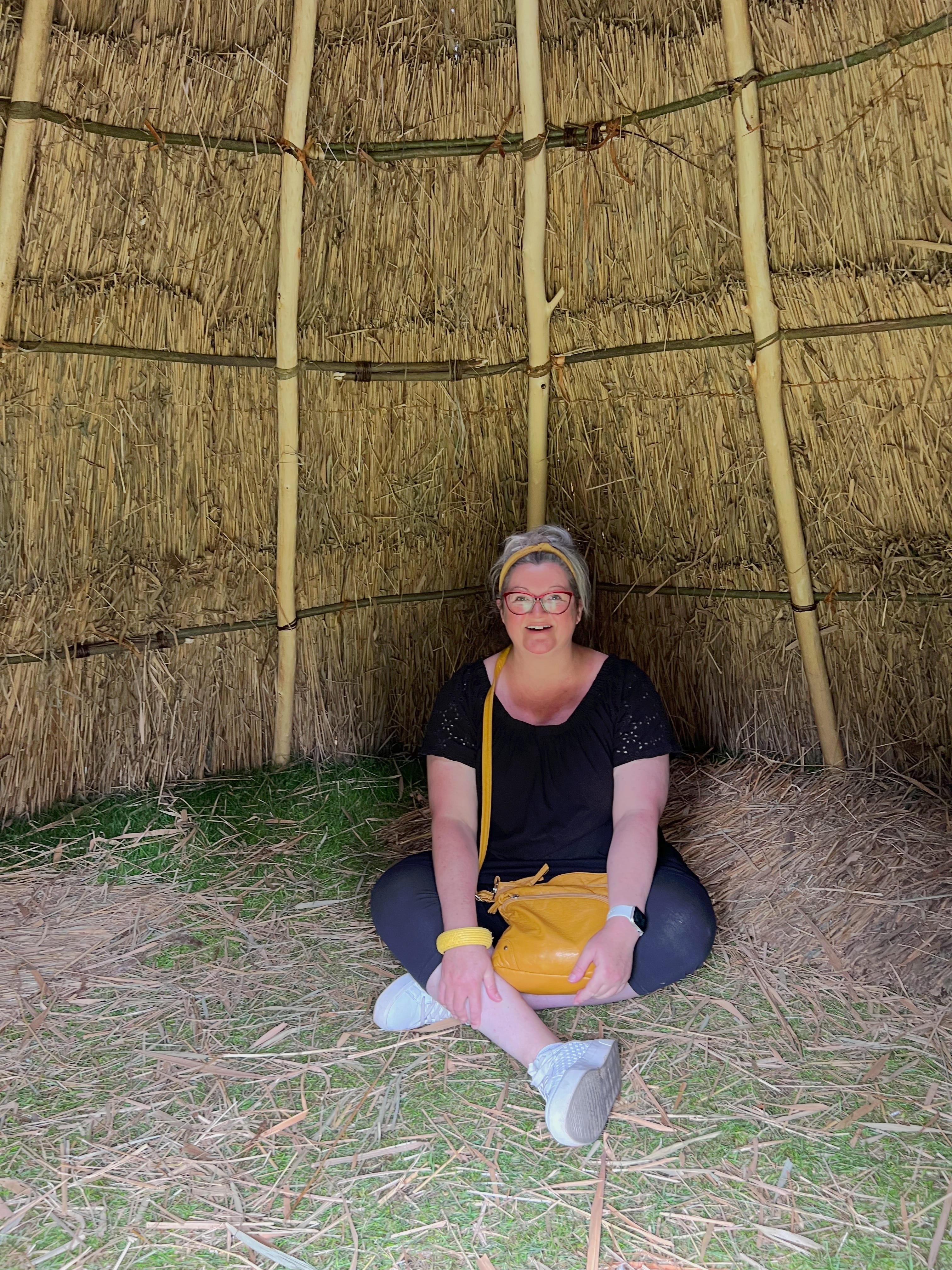
The museum has a really good mix of interactive and traditional displays. They quite often have hands on archaeology days. Here’s me living my absolute best life in a replica mesolithic round house, made using the dimensions from the actual post holes found at Star Carr, my life long obsession and root of my memoir, The Ghost Lake!
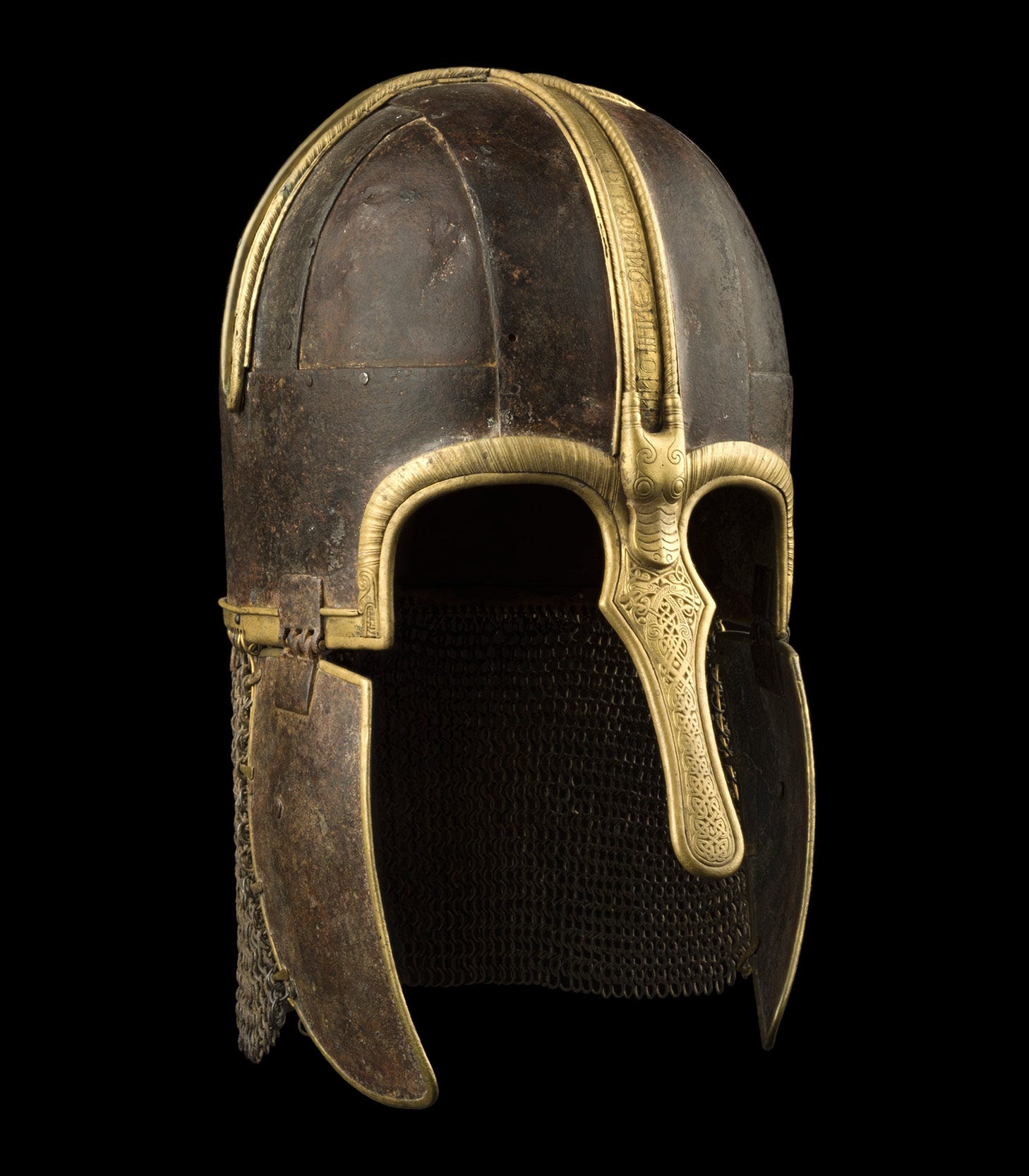
The first object we’re going to look at is one of the most famous in the museum